The Kenyan government has announced plans to invest in the proposed KSh2.2 trillion ($16 billion) Lamu oil refinery through the National Infrastructure Fund.
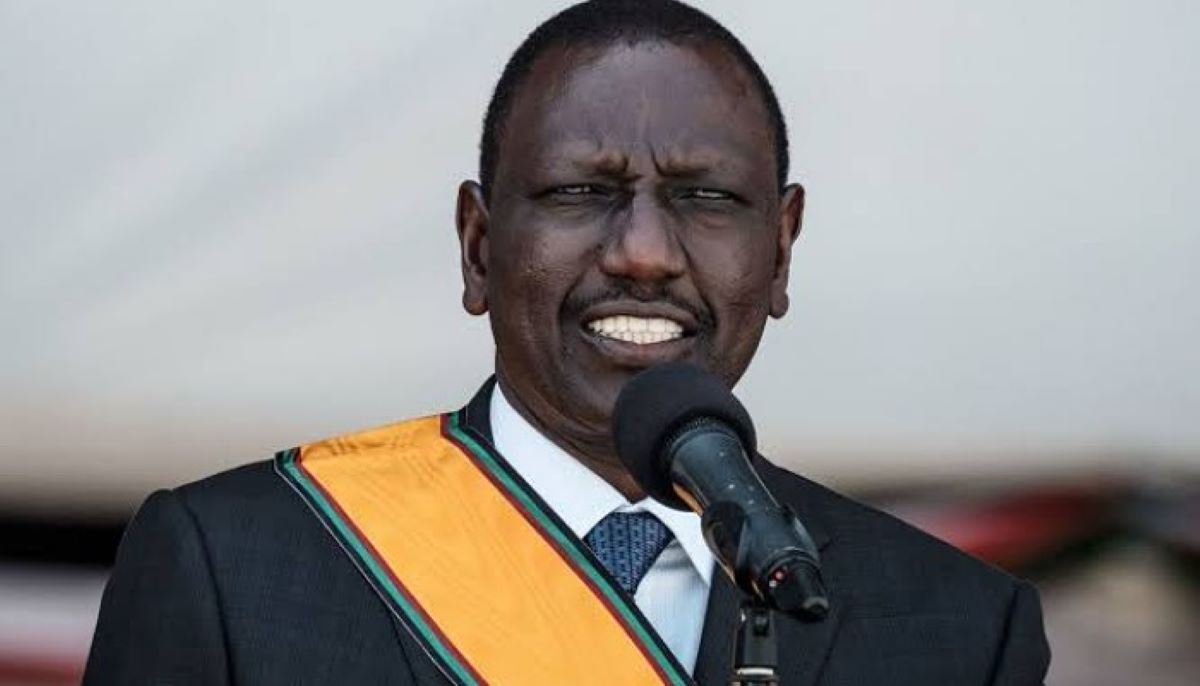
Kenyan President William Ruto disclosed this at the groundbreaking ceremony in Lamu on Wednesday, September 30, 2026, opening a new financing model for one of East Africa’s largest planned industrial projects.
The government’s plan to buy a stake in the refinery will come alongside plans by Aliko Dangote to give Kenyans an opportunity to buy shares in the refinery through the Nairobi Securities Exchange, potentially broadening local ownership of the project.
Kenya to Invest in Dangote Refinery
President William Ruto said the government would deploy state assets, including land, alongside the infrastructure fund to invest in the refinery being developed by Nigerian billionaire Aliko Dangote.
The financing structure marks a departure from an approach in which large infrastructure projects are primarily funded through government borrowing or public expenditure.
Dangote said the facility would generate up to 1,000 megawatts of electricity, produce one million tonnes of polypropylene and include base-oil production.
Lamu Refinery Targets Energy Security
The facility is planned to process crude from Kenya’s Turkana oilfields as well as supplies from other parts of Africa and is expected to reduce the region’s dependence on imported petroleum products. The proposed refinery is also expected to become an anchor for a wider industrial complex around Lamu.
The project is therefore being positioned around both domestic supply and a wider regional market, with the planned industrial complex expected to support additional economic activity around Lamu.
Dewji Eyes Dangote Refinery Stake
Nairametrics reported in July this year that Tanzanian billionaire Mohammed Dewji had expressed interest in investing $100 million in Aliko Dangote’s proposed oil refinery in Kenya, a project expected to become one of Africa’s largest refining facilities as the Nigerian industrialist expands his footprint across East Africa.
Dewji’s earlier comments point to potential interest from private investors in the project, while the latest announcement introduces the Kenyan government as a prospective investor through the National Infrastructure Fund.