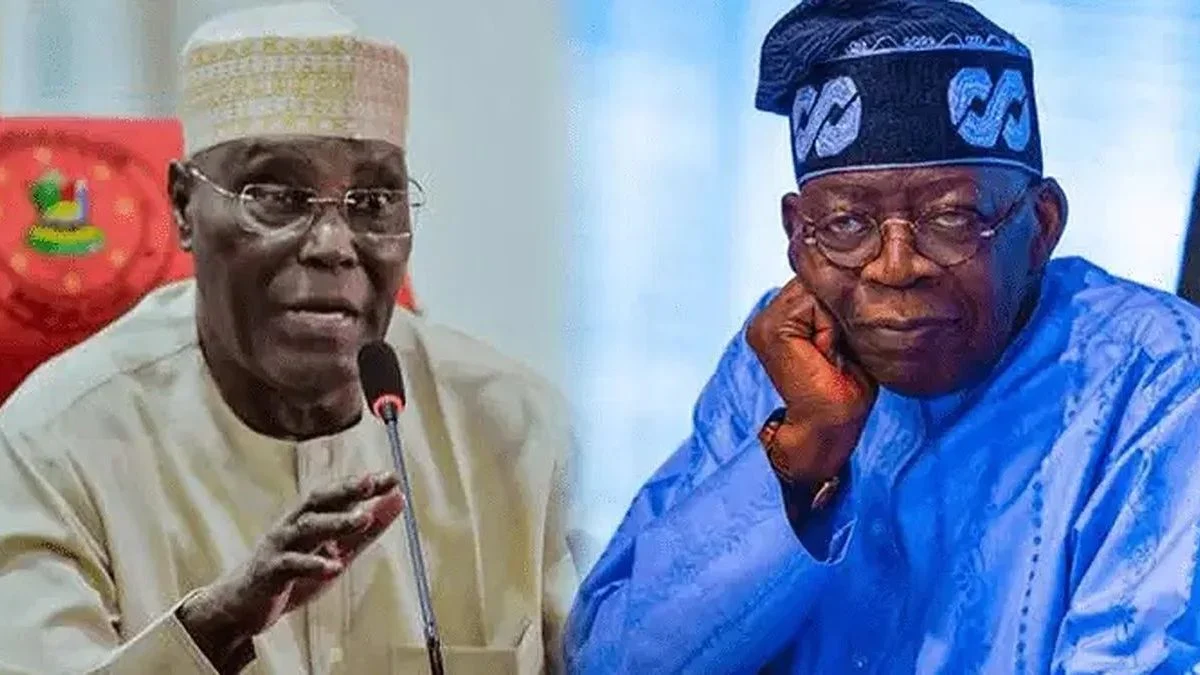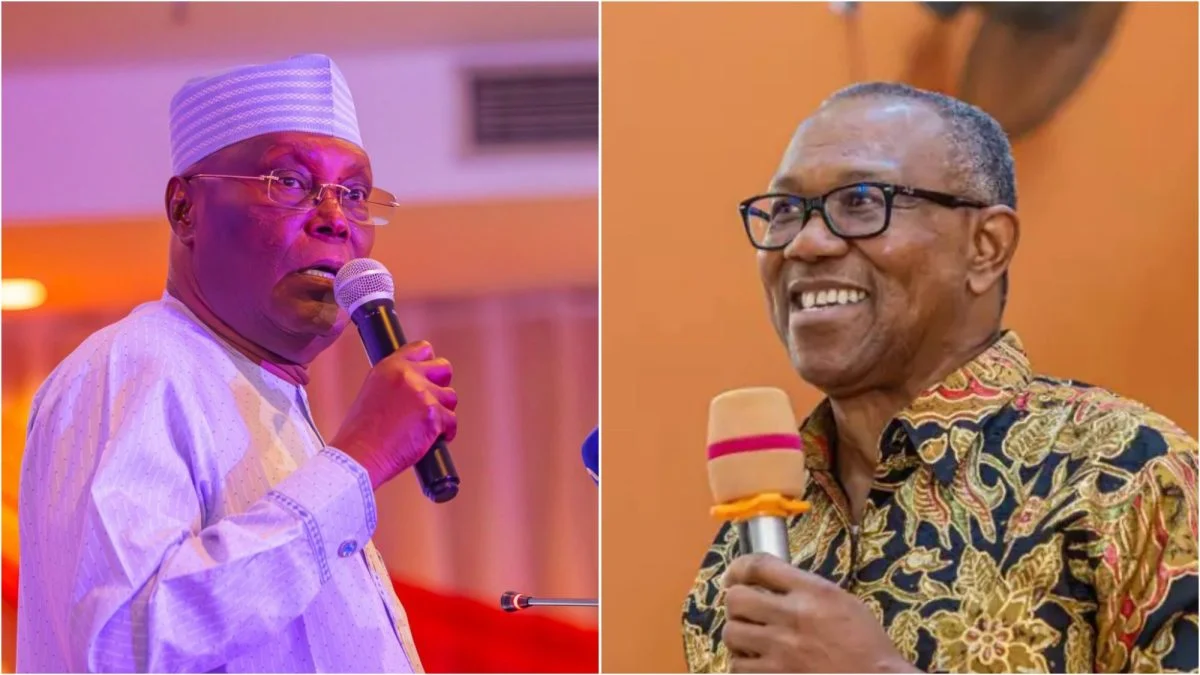
The opposition coalition under the G100 alliance has hinted at a possible presidential run-off in 2027 as it continues efforts to bring opposition candidates including Atiku Abubakar, Peter Obi, into a common political strategy.
This followed a series of consultations between G100 stakeholders and the two opposition figures, with the alliance seeking their continued participation even as both politicians maintain their separate presidential ambitions.
The G100 had initially proposed that opposition parties unite behind a single presidential candidate for the 2027 election.
However, Atiku, the presidential candidate of the African Democratic Congress, and Obi, the candidate of the Nigeria Democratic Congress, have yet to indicate acceptance of the single-candidate arrangement.
A source within the alliance said the inability to secure a consensus candidate would not necessarily end the discussions, noting that the opposition leaders could still cooperate before, during and after the election.
“Both have not shown any kind of inclination or acceptance of the single candidacy at this time. But of course, there are other plans,” the source said.
According to him, the continued engagement with Atiku and Obi was important because the opposition coalition could require their cooperation under different circumstances during the electoral process.
“There are other reasons why these G100 opposition leaders need to continue to engage before, during and even after the election.
“The plan may include a possible run-off or other issues that may come up. So, these are the issues. These are why these meetings were convened: to bring Atiku Abubakar and Peter Obi back to the table and get their commitment to the ongoing discussion,” he added.
Another source said the possibility of a second round of voting had become part of the alliance’s contingency planning should the opposition parties fail to agree on one presidential candidate before the election.
He said the G100’s consultations and research suggested that the 2027 presidential election could require opposition parties to cooperate beyond the first round.
“The two major opposition leaders, Atiku Abubakar and Peter Obi, seem to be less concerned about the single-candidacy plan of the G100.
“But they still need one another because the G100, from the statistics we are having and the research conducted, there may not be a straight-up easy winner. A winner may not emerge in the first round.
“So, part of the plan now is that if we cannot achieve a single candidate for the opposition leaders, in the case of a run-off, this ongoing discussion will make it quite easy for the opposition parties to queue behind one candidate and work together,” he said.
Section 134 of the Constitution provides for a second election where no presidential candidate meets the constitutional requirements for election as President, while INEC regulations provide for a run-off where the required vote and geographical-spread thresholds are not met.
The G100 held its first summit of opposition parties at the Shehu Musa Yar’Adua Centre in Abuja on August 31 as part of efforts to establish a framework for cooperation ahead of the 2027 elections.
Representatives of the African Democratic Congress, Allied Peoples Movement, Nigeria Democratic Congress, a faction of the Peoples Democratic Party, Peoples Redemption Party and Social Democratic Party attended the summit.
However, Atiku, Obi and APM presidential candidate, Seyi Makinde, were absent from the meeting.
The alliance has continued to push for a common presidential platform among opposition parties, although individual political actors involved in the discussions have retained their separate ambitions.