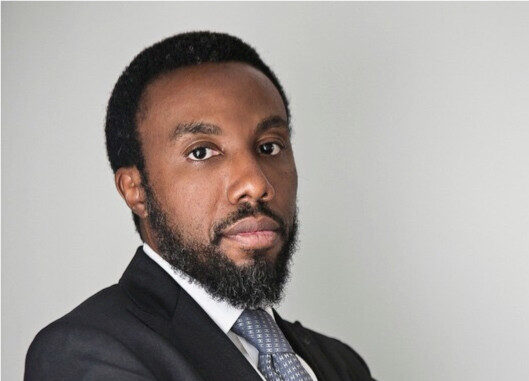
The Managing Director and Chief Executive Officer of FMDQ Group, Zeal Akaraiwe, has urged Nigerian regulators and market infrastructure institutions to develop deeper hedging markets while foreign exchange conditions remain stable.
Speaking at an investor meeting in Singapore, Akaraiwe said, “Nobody builds during a storm. Nobody buys an umbrella when it’s raining. You buy it before it’s raining,” while describing the Central Bank of Nigeria (CBN) as aggressive in its efforts to support market development.
The meeting formed part of a dialogue convened by the CBN in partnership with J.P. Morgan, Nigerian Exchange Group (NGX) and FMDQ Group, bringing together investors, financial institutions and Nigerians living and working across Asia.
Akaraiwe credited the CBN with improving credibility and predictability in Nigeria’s financial markets over the past few years. However, he argued that greater market stability should provide the foundation for innovation, particularly in products that allow investors and businesses to manage currency and other financial risks.
He said foreign investors also need confidence that they can exit the market under predictable conditions.
Akaraiwe also called for technology-driven exchange-control monitoring and stronger professional competency, identifying market participants, infrastructure, credibility, predictability and product development as priorities over the next five to ten years.
Akaraiwe assumed office as FMDQ Group CEO in June 2026, succeeding Bola Onadele Koko, the pioneer Group Managing Director and CEO, who retired after 12 years. Nairametrics previously reported that his appointment signalled a continued focus on market innovation, risk-management products and capital-market development.
His latest comments build on derivatives initiatives introduced under his predecessor, while pointing to the need for greater market depth and wider product adoption.
FMDQ introduced the USD/NGN Non-Deliverable Forwards market in 2016, providing an earlier foundation for FX hedging activity.
The broader programme also includes planned engagements in Beijing, as the CBN and its market partners continue discussions with international investors and financial institutions.
The latest FMDQ market data illustrates the relatively limited share of derivatives in Nigeria’s foreign exchange trading activity. For the week ended October 2, 2026, Spot transactions accounted for 96.19% of total FX turnover, while derivatives represented only 3.81%.
This concentration provides the immediate market context for Akaraiwe’s argument that Nigeria needs to deepen hedging activity while exchange-rate conditions remain relatively stable.
The relatively small derivatives share shows that spot transactions continue to dominate FX market activity despite the availability of existing hedging instruments. Akaraiwe’s central argument is that stronger products, infrastructure and predictable exit conditions should be developed during periods of stability so investors and businesses are better positioned when market conditions change.