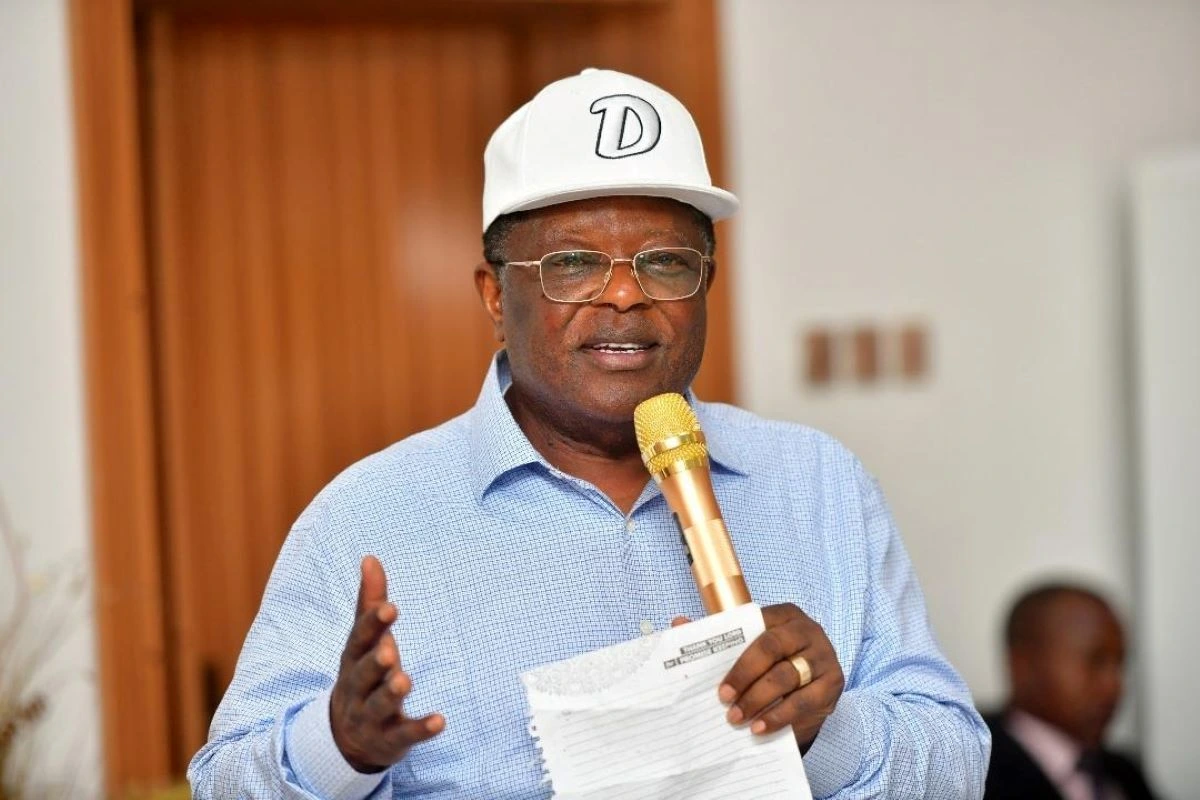
Nigeria’s Minister of Works, David Umahi, has said the 750-kilometre Lagos-Calabar Coastal Highway will be completed in just over three years.
The minister disclosed this during an interview with Arise News on Friday, October 23, 2026.
The commitment puts the landmark infrastructure project on course for completion before 2031, potentially before the end of President Bola Tinubu’s tenure if he wins a second term.
Umahi expressed confidence that the Federal Government would deliver the entire highway despite the engineering challenges posed by sections of the route through the Niger Delta. He said construction had advanced across several sections, although work and design activities were still ongoing in some states.
Umahi said the Federal Government had made considerable progress on five of the highway’s nine sections in just over two years, with Rivers, Delta, Bayelsa and Edo still to be covered.
He said the government was confident of completing the project within the next three years and beyond, despite work continuing on some sections.
He added that Sections One, Three and Five were still ongoing, but that sand-filling had advanced significantly, describing it as a major part of the construction process.
The minister said construction had commenced from both the Lagos and Calabar ends, with several sections awarded and work underway. However, engineering design and soil investigations were still being carried out for some sections in the Niger Delta.
Umahi said the highway was being designed, procured and constructed section by section rather than under one engineering design covering the entire 750 kilometres.
According to Umahi, the highway was initially conceived as a concept rather than a fully completed engineering design. This meant environmental assessments, soil investigations and detailed engineering work had to be carried out as individual sections were developed.
He said design work was ongoing for the Edo, Delta and Bayelsa sections, while engineering assessments of difficult terrain would determine the final route alignment, bridges and other structures required along the corridor.
Umahi’s comments highlight the technical work required to deliver the coastal road across several states, particularly where soil conditions and difficult terrain influence the design and construction process.
The minister’s latest completion commitment represents a shorter timeline than an earlier projection for the project.
In September 2024, Umahi was reportedly quoted as saying that the entire highway would take about eight years to complete after construction began in March of that year.
Umahi’s latest pledge places renewed focus on the government’s delivery timeline, with the completion of the remaining sections and ongoing engineering work likely to be central to meeting the target.