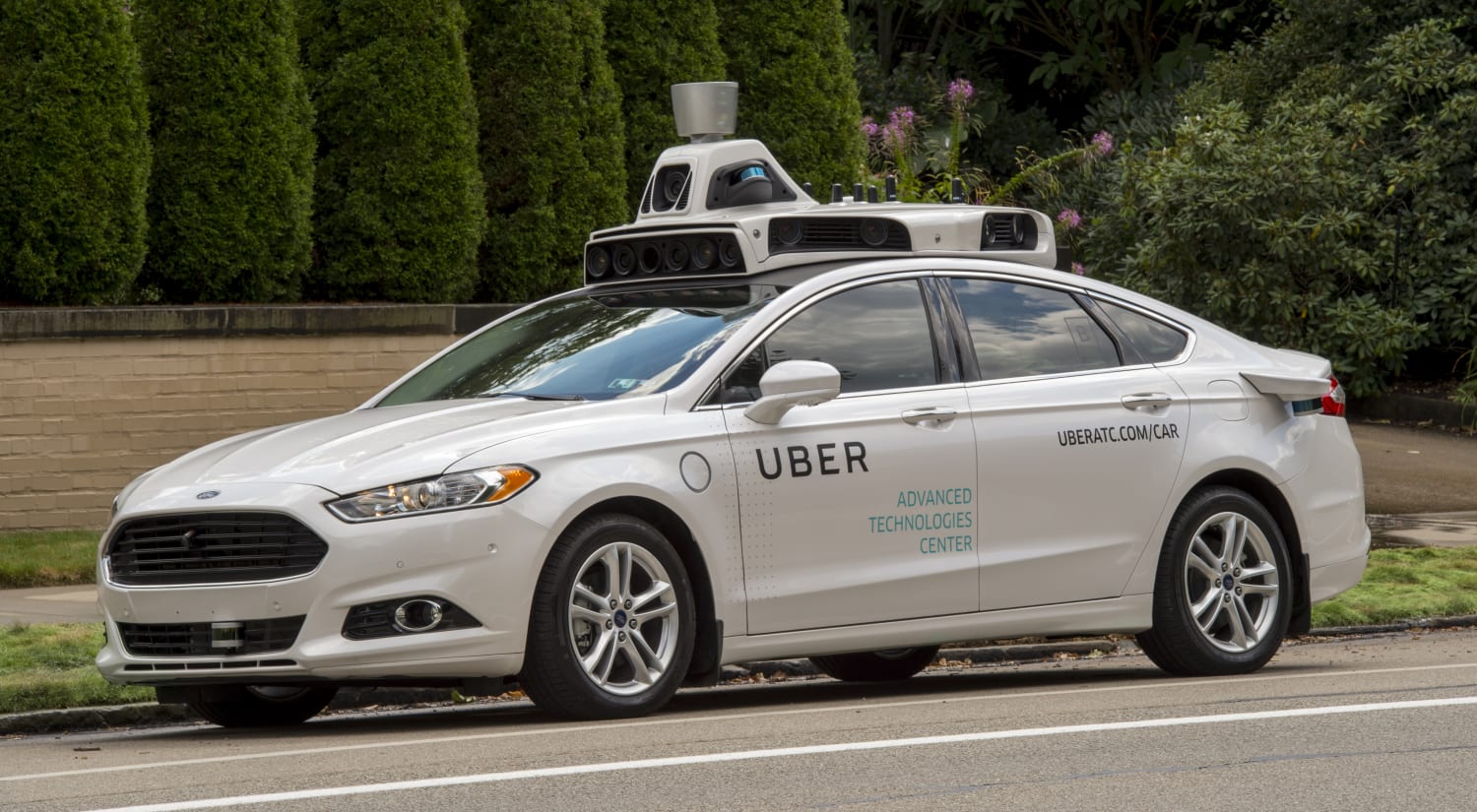
Uber has launched autonomous ride-hailing services in London using AI technology developed by British startup Wayve, expanding its robotaxi footprint in Europe.
The move comes barely a day after the company shut down its operations in Nigeria.
The London launch, announced on Thursday, makes the city the second in Europe after Zagreb where Uber offers autonomous rides.
Uber’s Global Head of Autonomous Mobility Sarfraz Maredia said the London launch was designed to build confidence with both consumers and government as the company advances its autonomous mobility ambitions globally.
Wayve CEO and co-founder Alex Kendall described London as the ideal proving ground for the technology, given the complexity of the city’s road environment.
Fewer than 20 Wayve-powered Ford Mustang Mach-E electric vehicles are available at launch, with a licensed human operator on board to monitor each car before fully driverless operations begin at a future date pending regulatory approvals.
Riders who request an UberX, Uber Comfort, or Uber Electric in covered areas could be matched with a Wayve-powered autonomous vehicle at no additional cost.
Uber and Wayve first announced their partnership in 2024, with Uber making a direct investment in the British startup and both parties committing to deploy Wayve-powered vehicles across multiple markets over time.
Regulatory barriers remain before fully driverless operations can begin in London, including pending authorisation from Transport for London.
Uber’s London robotaxi launch comes just a day after the company ended its ride-hailing operations in Nigeria, following a review of its operations in the country and Uganda.
Bolt, however, has taken a different position. The company said Nigeria remains an important market for its growth and reaffirmed its commitment to strengthening its operations and expanding opportunities for riders and drivers.
The economics of ride-hailing in Nigeria have come under increasing pressure as operating costs have risen faster than drivers’ earnings.
In April 2026, Nairametrics reported that ride-hailing drivers in Lagos were seeing their earnings squeezed after fuel prices rose from around ₦800 to between ₦1,300 and ₦1,330 per litre.
Drivers said the increase significantly raised their daily operating costs, while fares and platform commission structures had not adjusted proportionately.