The Nigerian Naira showed resilience this past week, testing the N1,302/$–N1,315/$ range at the official exchange window, thereby establishing a definitive breakout above the psychological N1,300 level, which is within reach.
Price movements at the official window (NAFEM) have characterized this consolidation as an ongoing effort to tighten the trading band, transitioning from a period marked by significant price oscillations to one of clearly defined range trading.
The N1,300/$ level holds critical importance, as repeated attempts to breach this pivotal point indicate a trend towards diminishing demand for the US dollar in Nigeria, alongside increasing order flow equilibrium between demand and supply.
Elevated liquidity levels, driven by continuous market intervention and enhanced transparency in autonomous market dealings, have narrowed the previously existing gap between the segments, thereby reducing panic and fostering stability.
CBN’s foreign exchange holdings are at 18-year high ($54 billion). This gives the Nigerian Apex bank enough ammunition to maintain naira stability and elevate the naira’s appreciation.
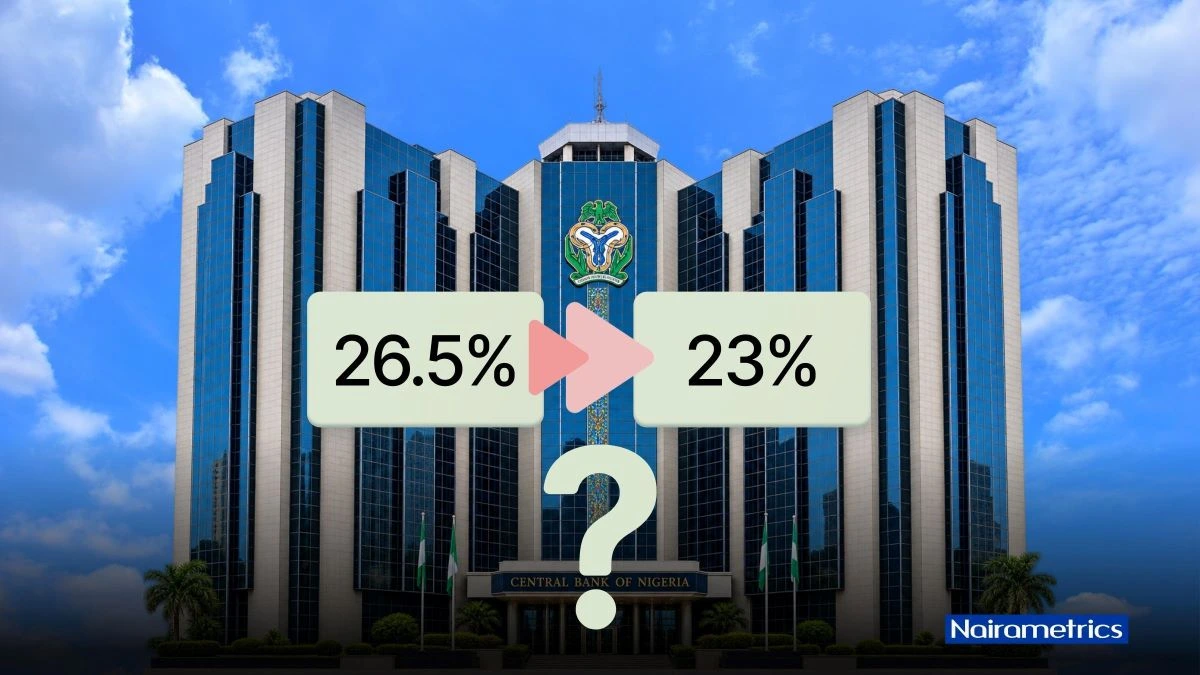
The Central Bank has maintained an assertive, hawkish monetary policy characterized by high interest rates aimed at anchoring inflation expectations and facilitating the inflow of foreign exchange into Nigeria, particularly through foreign portfolio investments into Naira-denominated fixed income assets. This policy also helps contain demand and over-buoyancy for foreign currency locally.
A slight increase or stabilization of Nigerian reserves, attributable to higher oil production and non-oil export revenues, enables the Central Bank to defend the Naira effectively and address forex backlog issues.
The global recognition of Nigeria’s macro-fiscal reforms including approval of frameworks by multilateral institutions and the adoption of a disinflation strategy endorsed by organizations such as the IMF may have strengthened foreign investor confidence.
The relative weakness and consolidation of the US dollar, potentially due to expectations of a Federal Reserve interest rate reduction, could further provide emerging market currencies, including the Naira, increased room for exchange rate movements and may intensify demand pressures.
A daily or weekly closing above N1,300/USD on significant volume could transform this resistance level into support and potentially trigger a more substantial appreciation of the Naira.
Nonetheless, sustained appreciation may be constrained by continuous oil revenue inflows, a positive trade balance, and the Central Bank’s efforts to avoid disrupting domestic credit growth in its pursuit of liquidity management.
The Dollar held its own last week as market participants adopted a more wait-and-see approach at the start of the week, with the unfolding Middle East situation weighing investors’ minds.
Labor Day was observed across America on Monday; The US stocks & bonds markets were closed.
The Persian country stated that it will “announce a restricted zone near the Strait of Hormuz and reveal the new trade route that was agreed with Oman in the following days.” Following its rise over the prior week (amounting to close to 8 percent), a barrel of WTI pushed to a new trading-week high and was trading up near 1 percent in the session at $90 a barrel