The Nigerian Midstream and Downstream Petroleum Regulatory Authority (NMDPRA) has said it cannot fix petrol pump prices, but will step up surveillance against price-gouging and other exploitative practices amid the latest increase in Premium Motor Spirit (PMS) prices.
The Authority disclosed this on September 19, 2026, in a statement addressing the recent rise in petrol prices and the measures it is taking to protect consumers under the deregulated petroleum market.
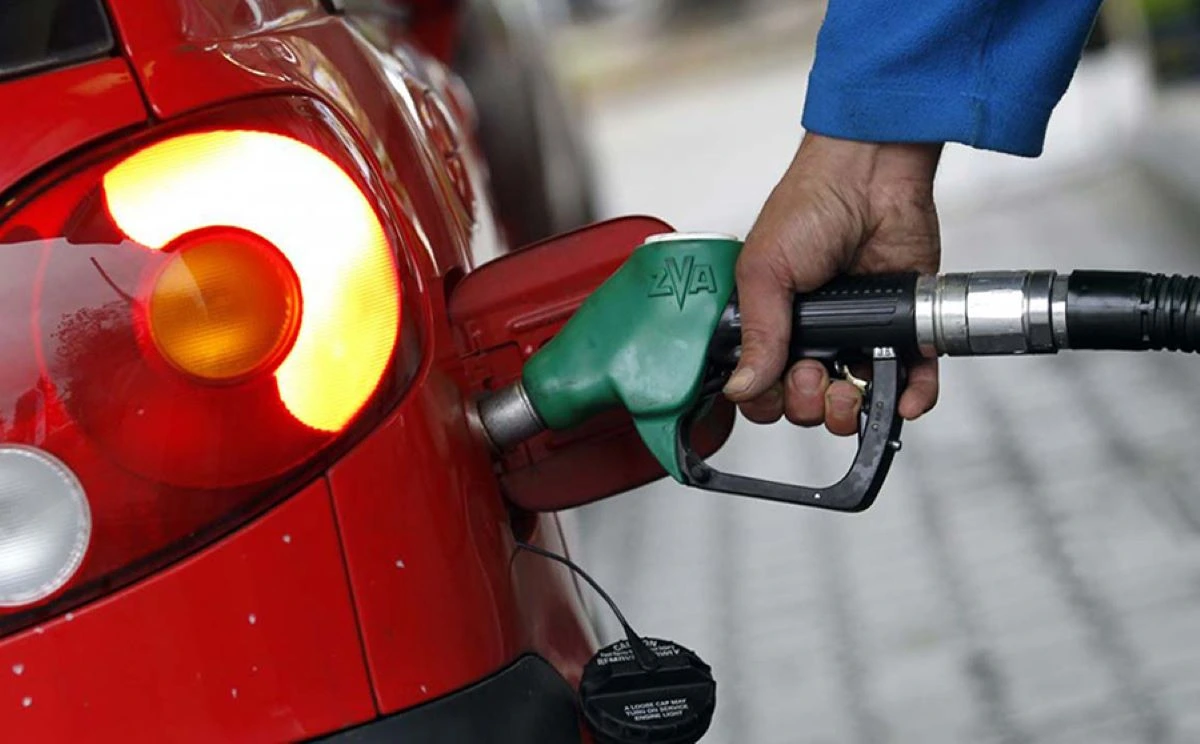
The development comes as checks by Nairametrics show that petrol prices have increased across major Nigerian cities, with retail outlets now selling PMS between N1,400 and N1,450 per litre.
The NMDPRA said it issued the clarification to explain the statutory framework governing its operations and outline measures being taken to protect consumers amid the recent increase in petrol prices.
Under Section 205(1) of the Petroleum Industry Act, wholesale and retail prices of petroleum products are to be determined under unrestricted free-market pricing conditions. The Authority said it therefore does not set pump prices or issue administrative pricing templates.
The NMDPRA added that Sections 205(2)–(4) of the PIA limit government intervention in petroleum pricing to exceptional circumstances where there is formal evidence of a declared market failure.
According to the Authority, no such market failure has been declared.
While maintaining that petrol prices are market-driven, the NMDPRA said deregulation does not exempt operators from regulatory requirements or fair-trade standards.
It also said it is collaborating with the Federal Competition and Consumer Protection Commission (FCCPC) under an existing Memorandum of Understanding to monitor the market for price-gouging, collusion, under-dispensing and compromised product quality.
The NMDPRA added that it is opening dedicated reporting channels through which members of the public and industry stakeholders can report irregular pricing and other exploitative practices for regulatory investigation and enforcement.
Following the breakdown of talks over the Strait of Hormuz, international oil prices remained above $100 per barrel last week, adding pressure to global energy markets.
Nairametrics checks showed that most filling stations in Lagos were dispensing petrol between N1,400 and N1,430 per litre, while MRS stations sold at N1,395 per litre. In Abuja, pump prices ranged between N1,400 and N1,450 per litre.
NMDPRA had previously attributed petrol price volatility to factors including crude oil sourcing, domestic refining, logistics and transportation costs, noting that the downstream market is fully deregulated and subject to market forces.
The latest increase in petrol prices has also pushed up transportation costs, with Nairametrics observing higher fares in some parts of Lagos as transport operators adjust to increased fuel expenses.
The rising cost of petrol has prompted calls from individuals and organisations for measures to reduce the pressure on households, workers and businesses.
Atiku argued that the President should be willing to adopt a government intervention even if the proposal originated from him, saying the priority should be reducing the burden on Nigerians.
NLC President Joe Ajaero said the increase in transport costs was affecting workers’ purchasing power and could further raise the cost of food, school fees, rents and other essential expenses. The union also called for measures including increased crude supply to local refineries and expanded petroleum storage capacity.