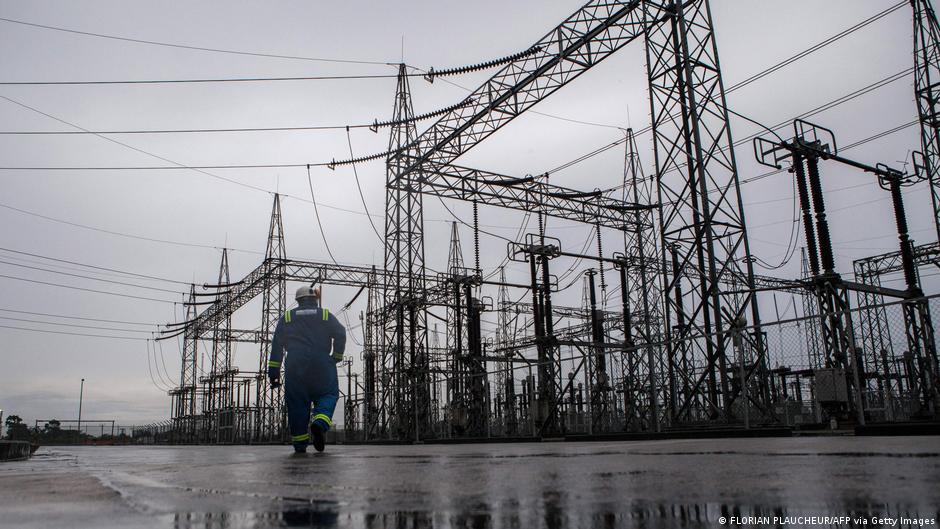
The cost of electricity in Nigeria may rise sharply, with the Band A tariff projected to exceed N350 per kilowatt-hour by 2029, following the Federal Government’s plan to remove the domestic gas subsidy by 2028.
This was disclosed by the deputy managing director of RT Briscoe and Chairman, Auto & Allied Sector of the Lagos Chamber of Commerce and Industry (LCCI), Dr Femi Eguaikhide, in his analysis of the implications of the proposed policy.
According to him, the planned removal of the gas subsidy is perhaps the most consequential energy decision since the petrol subsidy removal and will have a direct impact on CNG, LNG, and electricity for businesses and end users.
He noted that over 60 per cent of Nigeria’s power comes from gas, which is currently sold to power-generating companies (GenCos) at $2.18, compared with a market price of $4-6.
“When that subsidy ends, generation cost jumps, and Band A tariff may exceed N350/kWh by 2029. That affects every business, and it makes EV charging more expensive,” Eguaikhide stated.
He explained that for years, Nigerians have enjoyed CNG at N230-N450 per SCM because the government subsidises domestic gas supply, pipeline tariffs and infrastructure as an incentive to convert from petrol, but that it is not sustainable.
When the gas subsidy goes, he said three things will happen.
“First, CNG will no longer be 70 per cent cheaper than petrol. It will be 20-40 per cent cheaper. Still better, but the payback period for a N1.5m conversion kit for a danfo driver will extend from 6 months to 18 months. Second, LNG for industry will rise 30-50%, increasing production cost for manufacturers in Ogun, Kano and Agbara,” he said.
Eguaikhide stressed that while subsidy removal is necessary, sequencing is critical to avoid an energy crisis worse than that experienced after petrol subsidy removal.
“Does that mean we should not remove? No. We should. But sequencing is everything,” he said.
He recommended a phased removal from 2026 to 2028 instead of a 2028 cliff, creation of a Gas Transition Fund from the savings to finance conversion and charging infrastructure, and a protected discounted gas price for public transport for three years.
“We removed petrol subsidy, and the cost of transportation has gone up, while proceeds are not being used to finance infrastructure and public transportation. For gas, we must move from subsidy to sustainability. If we use gas savings to fund pipelines and credit, we win. If we use it to fund recurrent expenditure, we will have an energy crisis worse than petrol,” he added.
We’ve got the edge. Get real-time reports, breaking scoops, and exclusive angles delivered straight to your phone. Don’t settle for stale news. Join THISTIMES on WhatsApp for 24/7 updates →
Join Our WhatsApp Channel