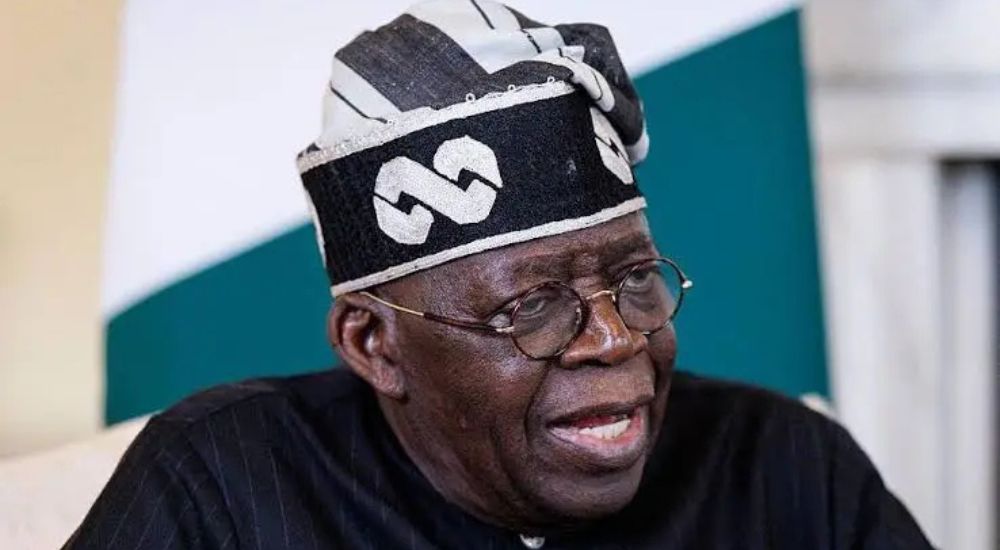
Nigerian workers have issued a red alert ahead of President Bola Tinubu’s Independence Day address, warning that they will closely scrutinise the speech for concrete measures to address soaring petrol prices, worsening economic hardship and their demands for a wage award and negotiations for a new national minimum wage.
The Joint National Public Service Negotiating Council (JNPSNC), trade union side, said the federal government must act on its demands by 30th September or face a three-day warning strike beginning 2nd October.
The council said the President’s Independence Day address must specifically address the concerns of workers and millions of Nigerians struggling with the rising cost of living, warning that failure to do so would attract the “annoyance” of workers and their dependents.
The warning was contained in a statement issued yesterday by the JNPSNC national secretary and general secretary of the Nigeria Civil Service Union, Comrade Olowoyo Gbenga.
The latest position follows an earlier ultimatum issued by the workers to the federal government, giving it until 30 September to address the issues contained in their letter to President Tinubu.
The JNPSNC said the deadline remains unchanged, noting that workers are prepared to escalate the dispute if the government fails to meet their demands.
At the centre of the workers’ demands is the increase in the price of Premium Motor Spirit (PMS), which the council said has reached about N1,450 per litre in some locations and between N2,000 and N2,500 in areas outside major communities and cities.
The workers described the prevailing prices as unacceptable, saying the development had pushed workers, their dependents, and vulnerable Nigerians to the brink of survival.
The council demanded that the federal government bring down petrol prices to N500 per litre, proposing an intervention fund to address landing costs and ease pressure on oil and gas operators.
He said, “Joint National Public Service Negotiating Council may issue a red alert to public servants across the country on the letter presented to the President of the Federal Republic of Nigeria, President Bola Ahmed Tinubu, if issues raised in the letter are not attended to.
The ultimatum (30 September 2026) served to remind the federal government to address issues raised in the letter, which remains sacrosanct.”
JNPSNC also called on the government to sell crude oil to the Dangote Refinery and modular refinery operators to support domestic refining and ultimately reduce petrol costs.
The demand comes against the backdrop of ongoing concerns among organised labour about the erosion of workers’ purchasing power as transportation, food, and other essential living costs rise.
The JNPSNC demanded an immediate wage award for Nigerian workers to cushion the impact of the current economic hardship.
The council said the measure would provide temporary relief to workers and their dependents while allowing public servants to maintain their commitment and productivity within the public service.
It further demanded the immediate establishment of a tripartite committee to commence negotiations for the new national minimum wage expected to take effect in 2027.
In July 2024, President Bola Tinubu announced that the minimum wage would be reviewed after three years, with the next review due in 2027.
However, Gbenga told LEADERSHIP that the council wanted the process concluded early enough to avoid a repeat of the delay that characterised the implementation of the 2024 minimum wage law, which took effect in July rather than at the beginning of the year.
According to the council, beginning the negotiation process early would help prevent bureaucratic and legislative delays that could frustrate the implementation of a new wage regime once it is eventually approved by the National Assembly.
The council insisted that workers would be watching for specific commitments rather than general assurances, insisting that the issues of petrol prices, wage relief and the 2027 minimum wage process require urgent government intervention.
The JNPSNC argued that the continued rise in petrol prices was making normal economic life increasingly difficult for ordinary Nigerians and called for urgent intervention to prevent further deterioration.
It said the government could deploy targeted measures on crude supply, refining and landing costs to bring down the pump price while simultaneously providing wage relief to workers.
The council also stressed that the proposed tripartite committee would provide sufficient time for government, labour and employers to negotiate a sustainable wage structure before the 2027 implementation deadline.
The statement reads in parts, “The ultimatum (30 September 2026) served to remind the federal government to address issues raised in the letter, which remains sacrosanct.
The current price of Premium Motor Spirit (PMS) being sold at N1450, N2000 and N2500 in many places outside major communities and cities is unacceptable because the survival of Nigerian workers, their dependants and the general populace is now hanging in the balance of survival to enable Nigerians to live a normal life.”
“The Federal government should give a wage award to Nigerian workers to cushion the effect of harsh economic conditions as being experienced by workers, their dependants, hapless and vulnerable Nigerians.
“Failure on the part of the federal government to do the needful on or before 30 September 2026, the Nigerian workers will not hesitate to go on a 3-day warning strike to press home their demands with effect from Friday, 2 October 2026.”
We’ve got the edge. Get real-time reports, breaking scoops, and exclusive angles delivered straight to your phone. Don’t settle for stale news. Join THISTIMES on WhatsApp for 24/7 updates →
Join Our WhatsApp Channel