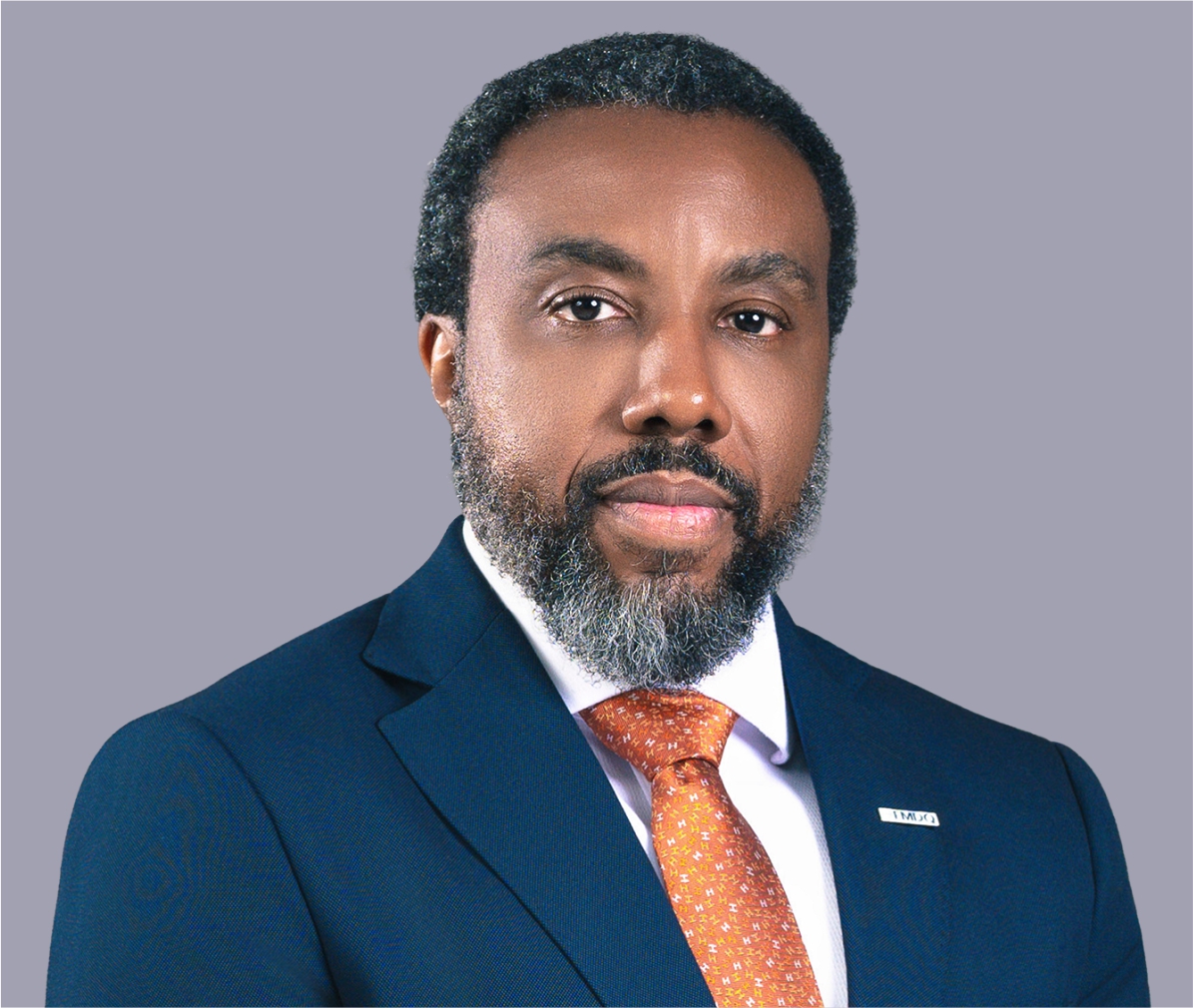
Managing Director and Chief Executive Officer of FMDQ Group, Zeal Akaraiwe has explained why financial technology companies (fintechs) cannot directly trade in Nigeria’s foreign exchange market, citing regulatory restrictions, licensing requirements and the country’s exchange control framework.
Speaking on the sidelines of an investor forum organised by the Central Bank of Nigeria (CBN) in Singapore, the FMDQ CEO said any participant seeking to trade directly in the foreign exchange market must first obtain authorisation as a dealer under the existing regulatory framework.
According to him, Nigeria’s exchange control rules require at least one counterparty in every foreign exchange transaction to be an authorised dealer, with transactions involving two unauthorised counterparties falling within the definition of the black market.
The FMDQ CEO explained that direct participation in the foreign exchange market comes with regulatory obligations that go beyond the requirements for operating a payments business.
He added that the CBN, as the country’s monetary policy authority, determines the proportion of a dealer’s capital that can be deployed for foreign exchange trading.
Authorised dealers must also operate within prescribed limits on their net open positions, which measure their exposure to foreign currencies.
Market participants are also expected to obtain relevant statutory documentation and have access to regulatory portals used to verify the authenticity of such documents.
According to him, these requirements make direct participation difficult for fintechs, particularly because they are not currently regulated by the CBN for foreign exchange transactions in the same way they are for payments.
He added that uncertainty over the regulatory authority responsible for overseeing fintechs in foreign exchange trading further complicates the prospect of granting them direct market access.
Despite the restrictions on direct trading, the FMDQ CEO clarified that fintechs are not completely excluded from Nigeria’s foreign exchange market.
He explained that fintech companies can buy and sell foreign exchange through their banking partners, provided they comply with the applicable regulations.
He stressed that this arrangement differs from obtaining direct trading access, which would allow a fintech to participate in the market as an authorised dealer in its own right.
The distinction means fintechs can facilitate or execute foreign exchange transactions through authorised banks without necessarily holding the regulatory approval required to trade directly in the market.
The FMDQ chief executive said expanding participation in the foreign exchange market would require a broader review of Nigeria’s regulatory framework and exchange control laws.
He argued that the issue could not be resolved by a single institution, as it involves the country’s overall approach to foreign exchange regulation and the legal requirements governing market participation.
He added that developments in the global financial ecosystem, including the growing relevance of stablecoins, make it necessary for policymakers to reconsider how existing rules apply to emerging financial services and market participants.
Earlier at the forum, the FMDQ CEO had called on Nigerian regulators and market infrastructure institutions to develop deeper hedging markets while foreign exchange conditions remain stable.
Akaraiwe credited the CBN with improving credibility and predictability in Nigeria’s financial markets over the past few years.
However, he argued that greater market stability should provide the foundation for innovation, particularly in products that allow investors and businesses to manage currency and other financial risks.