Nigeria is among the oil and gas exporters positioned to benefit from higher global energy prices, although rising refined fuel costs could offset some of the gains.
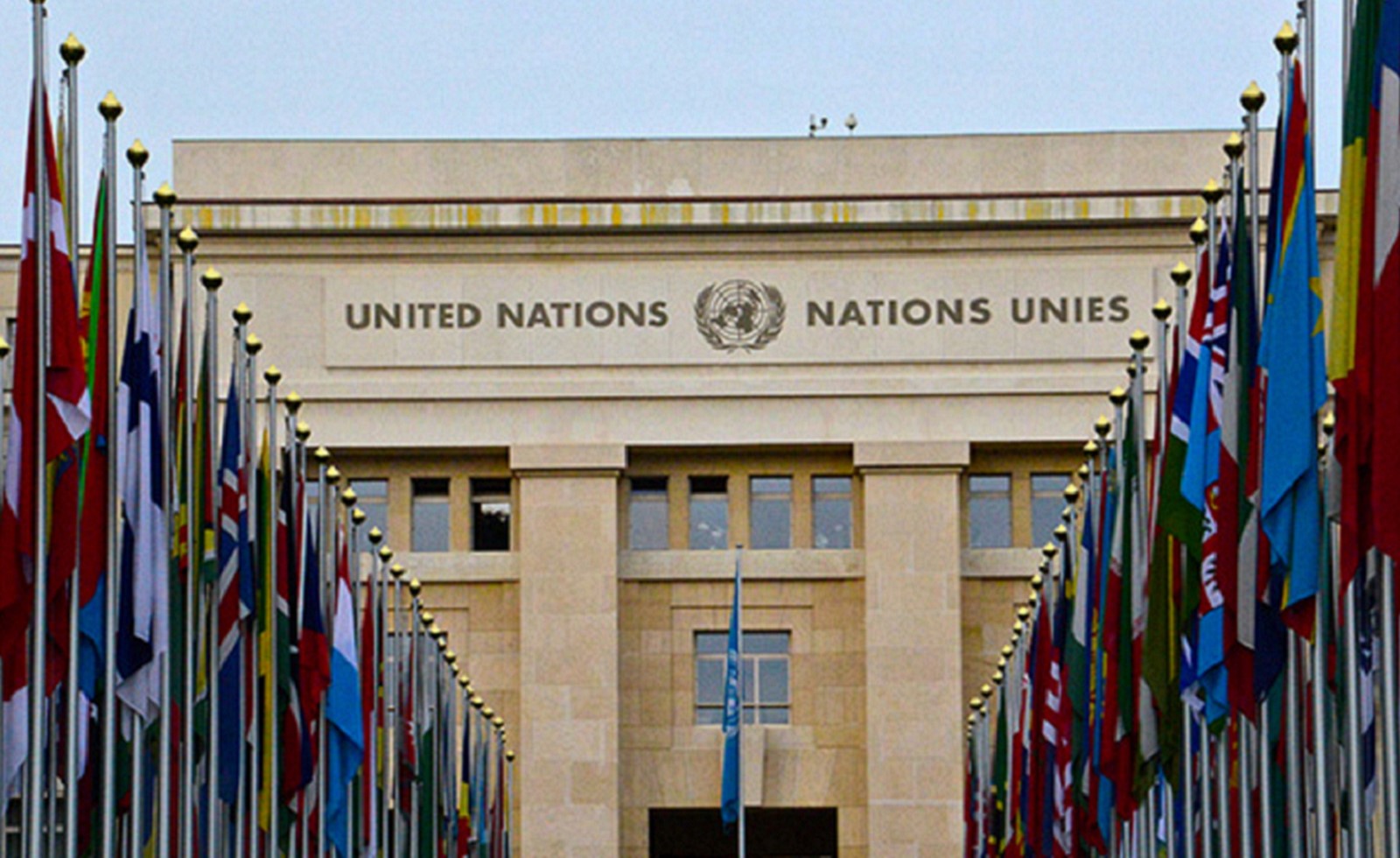
This is according to the United Nations Conference on Trade and Development (UNCTAD) in its 2026 Trade and Development Report: The Geoeconomics of Development.
The report identifies Nigeria, Angola, Guyana and Kazakhstan as exporters that could benefit from the energy shock triggered by the conflict in the Middle East, while warning that insufficient domestic refining capacity could erode some of the gains.
The report, in Chapter I, titled “Resilience and its limits,” says the conflict in the Middle East has damaged energy infrastructure and disrupted transit through the Strait of Hormuz, a major route for seaborne crude oil and liquefied natural gas. These disruptions triggered the largest monthly loss of global energy supply on record.
Brent crude rose from about $70 to more than $110 per barrel in the weeks following the outbreak of the conflict. Despite releases from global oil reserves and increased production outside the Middle East, prices are expected to remain more than $30 per barrel above pre-conflict levels through the end of 2026.
For Nigeria, higher crude oil prices could boost export earnings. However, insufficient domestic refining capacity could leave some of these gains offset by higher refined petroleum product prices.
The report also warns that the energy shock could fuel inflation, tighten monetary policy, increase borrowing costs and heighten financial stability risks. It argues that addressing energy supply constraints would be more effective against supply-driven inflation than relying solely on monetary and fiscal tightening.
Nigeria’s crude oil exports rose to N11.20 trillion in the first quarter of 2026, up 15.46% from N9.70 trillion in the preceding quarter, according to the National Bureau of Statistics (NBS). However, the figure was 13.5% lower than the N12.96 trillion recorded in the first quarter of 2025.
Crude oil accounted for 52.92% of total exports of N21.17 trillion, with monthly earnings rising from N3.40 trillion in January and N2.97 trillion in February to N4.84 trillion in March.
Meanwhile, Nigeria’s refined petroleum product exports rose to $3.94 billion in the second quarter of 2026, up 148% from $1.59 billion in the corresponding period of 2025 and 66.2% from $2.37 billion in the first quarter of 2026. The figures are based on Nairametrics’ analysis of the Central Bank of Nigeria’s Balance of Payments Highlights.
The increase comes amid expanding domestic refining activity. Nairametrics previously reported that Nigeria’s oil refining sector grew by 43.94% year-on-year in the second quarter of 2026, driven by increased output from Dangote Petroleum Refinery.
On the production side, Nigeria averaged 1.56 million barrels per day (bpd) in June, its highest monthly output since April 2020, according to the Nigerian Upstream Petroleum Regulatory Commission. Output eased to 1.505 million bpd in July from 1.555 million bpd in June, but remained above 1.5 million bpd for a third consecutive month, according to OPEC.
Beyond energy markets, UNCTAD projects global economic growth of 2.6% in 2026 and 2.7% in 2027, down from 2.9% in 2025. Developing economies are projected to grow by 4% in 2026, compared with 4.7% in 2025, as higher financing costs and geopolitical uncertainty weigh on economic activity.
The report also projects official development assistance to decline by almost 7% in 2026, marking a third consecutive annual fall. It calls for stronger multilateral support, increased domestic development financing and greater use of local-currency funding to close financing gaps. UNCTAD also highlights renewable energy as an opportunity for developing countries to strengthen energy security and reduce exposure to external supply shocks.
Nigeria’s expanding refining capacity could help reduce its exposure to international refined fuel markets. Nairametrics reported that Dangote Petroleum Refinery supplied about 50 million litres of petrol daily to the domestic market in the first half of 2026 while expanding exports of refined products.
However, continued reliance on imported petroleum products means international prices remain relevant to domestic fuel costs.
In September, Nairametrics reported that the Federal High Court in Abuja ordered the NMDPRA to continue granting petroleum products import licences to Matrix Energy, AA Rano and AYM Shafa, subject to statutory and regulatory requirements. The ruling came amid an ongoing dispute over competition between fuel importers and domestic refiners.
In a related development, the Federal Government said on Friday, October 9, that the 30-day petrol discount at NNPC Retail Limited stations would be funded by the retailer’s margins, not the federal budget or the Federation Account.
Minister of Finance Taiwo Oyedele said NNPC Retail would absorb the discount by reducing its margin while continuing to buy petrol from Dangote Refinery and other suppliers at market prices.
He added that restoring petrol prices to pre-reform levels could cost more than N20 trillion annually, while an intervention of N500 per litre could exceed N16 trillion yearly.
The development highlights the challenge of easing domestic fuel costs while managing public finances and exposure to international petroleum prices.