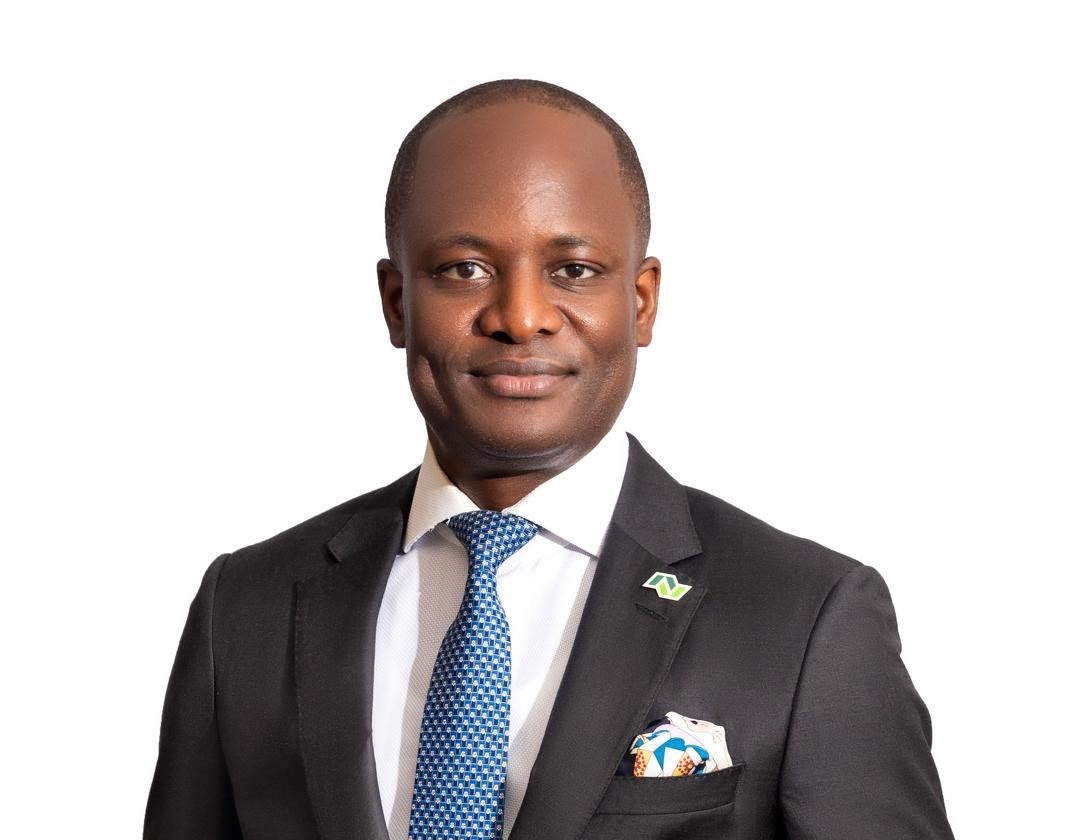
From a 15-year-old author finding his way into Nigeria’s media industry to an entrepreneur with ambitions of building Africa’s answer to Berkshire Hathaway, Chude Jideonwo has spent much of his life thinking about the power of media and the institutions behind it.
In this interview with Nairametrics, the founder of RED and HBC Holdings reflects on the experiences that shaped him, the business of storytelling, and his audacious ambition to build one of Africa’s most diversified media conglomerates
At 15, while his contemporaries were figuring life out after West African Examinations Council (WAEC) and National Examinations Council (NECO) examinations, Chude Jideonwo had another preoccupation, getting Nigerians to read his first novel.
He had written the book two years earlier, at 13, and managed to get it published while still in secondary school. But publication presented a new problem. His publisher, he recalls, was not particularly good at publicity, leaving the teenager to figure out how to market the book himself.
Jideonwo began studying Nigeria’s media landscape, identifying television programmes, newspaper columns and the audiences most likely to be interested in his work.
One name on his publicity list was Dr. Livy Ajuonuma, the late broadcaster and host of a popular Sunday programme on the Nigerian Television Authority (NTA).
Jideonwo encountered him at church, where his mother was a pastor and Ajuonuma a member. He introduced the broadcaster to his novel, and Ajuonuma agreed to read it.
What followed was an invitation to appear on television. A few minutes into the interview, however, the conversation took an unexpected turn: Ajuonuma offered him a job presenting the youth segment of his programme, live on national television.
That encounter would open the door to a career spanning journalism, television, advertising, public relations and political communications.
Today, more than two decades later, Jideonwo is pursuing an ambition that stretches beyond his early success as a media entrepreneur. Through HBC Holdings, he wants to build a conglomerate capable of owning, investing in and operating multiple independent media businesses across Africa.
Jideonwo’s fascination with media began long before his first television appearance. An only child raised by parents he describes as enthusiastic readers and teachers, he grew up surrounded by newspapers, books and television.
His father regularly read The Punch and Vanguard. Jideonwo devoured the African Writers Series, including works by Chinua Achebe and Wole Soyinka, much of it before his 12th birthday.
He also watched television obsessively, familiarising himself with broadcasters and programmes across Nigeria’s emerging private television landscape.
But it was not simply entertainment that interested him. He wanted to understand how stories influenced society.
Even as a teenager, he followed the political disagreements between then-Lagos State Governor Bola Tinubu and his deputy, Kofoworola Bucknor-Akerele, paying particular attention to how newspapers framed the dispute.
He was less interested in official statements than in the contest to influence public opinion.That curiosity became useful when he began working with some of the country’s leading broadcasters.
He met Funmi Iyanda while waiting backstage for Ajuonuma’s programme. She subsequently invited him onto New Dawn and later recruited him as a researcher.
He would also work with Agatha Amata, gaining exposure to television production and editorial decision-making.
As a young producer, Jideonwo listened to conversations involving senior editors, columnists and political commentators, absorbing the workings of an industry he had previously observed from his living room.
By 17, he had secured a column at ThisDay. He also wrote for Tempo magazine under journalist and former senator Babafemi Ojudu.
Looking back, he attributes his early opportunities to a combination of preparation and audacity: knowing enough about the industry to impress established professionals and having the confidence to approach them.
As Jideonwo’s career developed, so did his ambition to build a media company rather than spend his professional life working within other people’s institutions.
That ambition eventually found expression in RED, the communications business he built with his longtime friend and business partner, Adebola Williams.
Their partnership has endured for nearly three decades, although Jideonwo acknowledges that their personalities and professional strengths were markedly different.
In the early years, he was impatient and intensely focused on execution. Williams, whom he describes as infinitely patient, possessed an extraordinary ability to build relationships, negotiate and sell.
Rather than compete for control, they divided responsibilities. Jideonwo became chief executive and creative director, while Williams took on the roles of deputy managing director and chief marketing officer.
Their working relationship, he explained, was sustained by a willingness to acknowledge each other’s strengths and trust their intentions.
He believes that neither could have built the business to the same scale independently.
That philosophy would eventually shape his approach to running an entire portfolio of businesses.
For much of his career, Jideonwo envisioned creating a media group comparable in scale and influence to what Aliko Dangote had built in manufacturing.
In 2012, RED articulated a vision of becoming a media group capable of reaching and inspiring the largest number of Africans. By 2015, Jideonwo was publicly discussing the ambition to build a media company that could do everything.
But the organisational structure he originally imagined began to change.
Rather than centralising operations under one management team, different businesses emerged with independent executives, distinct operating models and separate commercial priorities.
Some were established internally; others came through investments.
The evolution led him towards the Berkshire Hathaway model, which he says has influenced his corporate thinking since at least 2016.