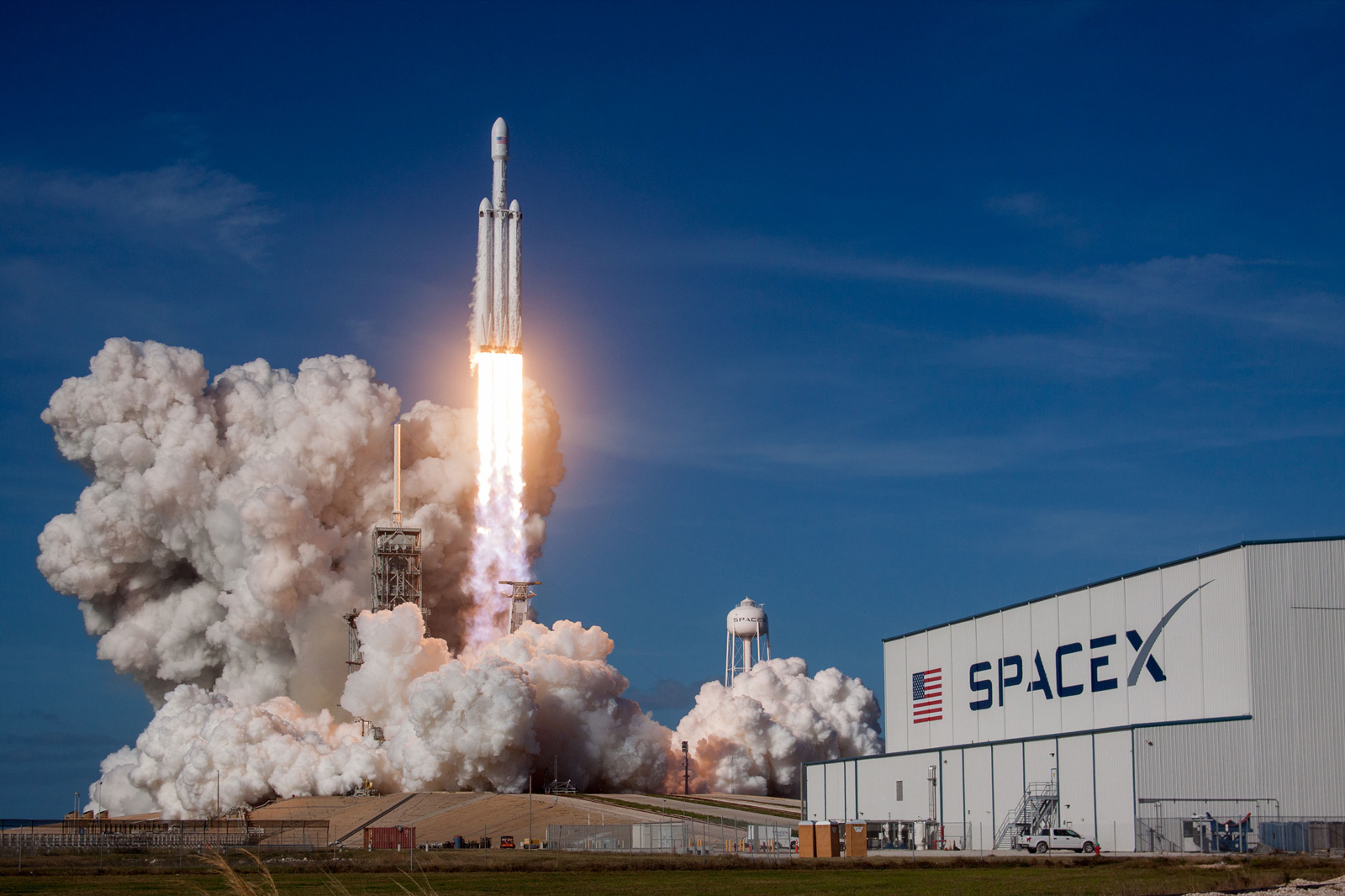
SpaceX’s Starship megarocket reached orbit for the first time on Monday, marking a major milestone in the company’s development of a reusable launch system for future missions to the Moon and Mars.
The more than 120-metre-tall rocket lifted off from Texas on its 14th full-scale test flight, with the upper stage separating from its Super Heavy booster and reaching orbit about 26 minutes after launch.
The test was originally expected to last about 10 hours, with the spacecraft planned to orbit Earth six times and deploy 26 next-generation Starlink satellites.
The mission was later cut short after the successful deployment of the satellites.
SpaceX initially launched the spacecraft on a suborbital trajectory as a precaution before the launch team decided to perform a second burn to place it into orbit.
Kathleen Curlee, a senior analyst at Georgetown University’s Center for Security and Emerging Technology, described the second burn as “the hardest part” of the flight before the launch.
She explained that reaching the necessary altitude and speed required the rocket to respond to different gravitational forces during flight.
SpaceX is targeting a circular orbit about 275 kilometres above Earth, requiring the spacecraft to travel at about 28,000 kilometres per hour.
Previous Starship tests had followed less demanding suborbital trajectories and ended in several high-profile explosions, including over the Caribbean.
The latest test flight saw Starship deploy all 26 next-generation Starlink satellites after reaching orbit.
The Super Heavy first-stage booster separated shortly after launch and fell into waters of the Gulf of Mexico.
The orbital achievement comes as SpaceX seeks to accelerate development of Starship, which the company wants to make fully reusable.
Despite the challenges, SpaceX continues to dominate the global space launch market through its partially reusable Falcon rockets.
The latest Starship flight comes as SpaceX continues to develop the rocket for applications beyond conventional launches, while expanding its Starlink satellite business.
Meanwhile, SpaceX is developing next-generation Starlink satellites capable of providing cellular connectivity directly to smartphones. Nairametrics reported in March that the technology is expected to support services including 5G connectivity and expand satellite-based coverage.