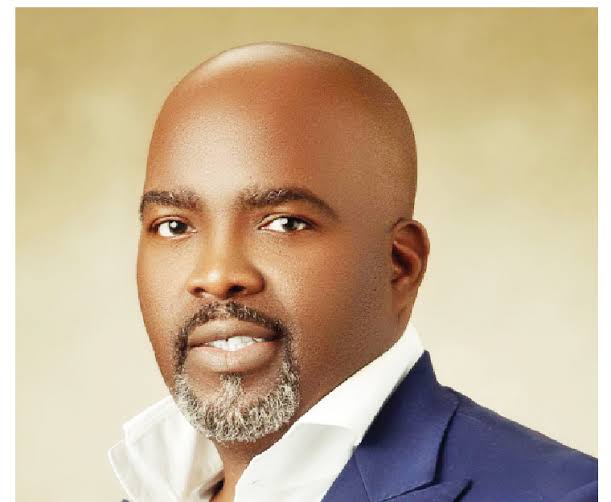
As Nigeria marks its 66th Independence anniversary, Otunba Adejare Rewane Adegbenro, has called for stronger democratic institutions, greater citizen participation and increased fiscal and administrative powers for states to consolidate the country’s democratic gains.
Adegbenro, the Otunba Laje of Owu Kingdom, made the call in his Independence anniversary message, in which he described Nigeria’s journey since 1960 as one of resilience, marked by parliamentary rule, military interventions and the return to civilian rule in 1999.
“It’s been a journey of resilience,” he said, adding that each phase of the nation’s political history offered lessons for building a more stable and effective federation.
Reflecting on the First Republic, Adegbenro said the era demonstrated the importance of regional initiative and disciplined governance, drawing from the legacy of his grandfather, Chief D.S. Adegbenro, who served as premier of the Western Region.
“That era taught us the value of regional development and administrative discipline,” he said.
He advocated greater responsibility for states over their resources and development priorities, saying such an arrangement could accelerate progress in education, agriculture and infrastructure.
Adegbenro also called for sustained national dialogue on the distribution of powers and resources among the three tiers of government.
The security-sector expert also reflected on the years of military rule and the pro-democracy struggles that eventually paved the way for the current democratic dispensation.
He paid tribute to his grandfather, the late Pa Alfred Rewane, whom he described as a major financier of the pro-democracy movement who paid the supreme price during the struggle.
“The military years, painful as they were, created the very resistance that birthed our present democracy,” he said.
“His sacrifice is part of why we have the democracy we practise today,” he added, stressing the need to preserve the sacrifices of pro-democracy activists in Nigeria’s historical memory.
Assessing Nigeria’s democratic experience since 1999, Adegbenro acknowledged successive civilian transitions and increased public participation as important milestones, but said the existence of democratic institutions alone was not sufficient.
“Democracy must deliver, not just exist,” he said.
According to him, democracy should ultimately be measured by its ability to improve citizens’ living conditions, expand economic opportunities and guarantee access to essential services.
Commenting on the administration of President Bola Ahmed Tinubu, Adegbenro said the Renewed Hope Agenda had brought attention to major economic and structural challenges.
He cited the removal of fuel subsidy and foreign exchange reforms as bold but difficult policy decisions.
“These are difficult decisions, but necessary ones,” he said, stressing that sustained implementation, transparency and effective communication would be critical to determining the outcome of the reforms.
He said the reforms would ultimately be judged by their ability to translate into improved living conditions and greater opportunities for Nigerians.
Adegbenro identified security, strong institutions and public confidence as key pillars for Nigeria’s next phase of development.
He said a secure environment was essential for economic growth and investment, while strong institutions were needed to promote continuity and accountability beyond individual administrations.
He also called for a more constructive relationship between citizens and the government, with civic participation extending beyond voting to informed engagement in public policy.
Looking ahead, Adegbenro urged Nigeria to move beyond merely sustaining democracy towards ensuring that citizens derive tangible benefits from it.
“My hope is that we move from merely surviving democracy to truly benefiting from it,” he said.
He urged young Nigerians not to take the country’s democratic freedoms for granted, encouraging them to participate actively in public affairs and hold leaders accountable through legitimate democratic channels.
“Don’t take this democracy for granted — real people paid real prices for it,” he said.
Adegbenro, who has held leadership positions in Nigeria’s security-related institutions, including as Acting Director-General of NATCOM, is also a diplomatic stakeholder and founder of the Otunba Adejare Adegbenro Foundation.
The foundation has supported interventions in healthcare, education, infrastructure and assistance to disadvantaged communities.
We’ve got the edge. Get real-time reports, breaking scoops, and exclusive angles delivered straight to your phone. Don’t settle for stale news. Join THISTIMES on WhatsApp for 24/7 updates →
Join Our WhatsApp Channel