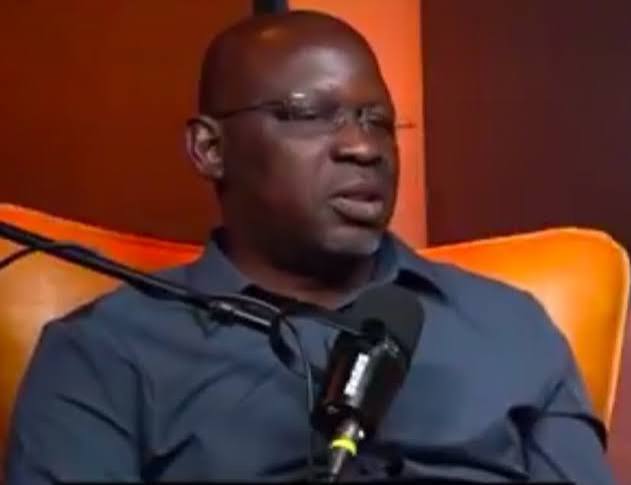
Against the backdrop of the youth migration for greener pastures commonly referred to as ‘Japa’ in Nigeria, a US-based Nigerian entrepreneur and real estate developer, Femi Rogers, has challenged the perception that life in the United States was financially easy, saying many residents struggle to make ends meet despite earning regular incomes.
Speaking on the latest episode of the ‘Frankly Business’ Podcast, Rogers said the high cost of housing, taxes, utilities and other living expenses leaves many diasporans living “from hand to mouth” with little opportunity to save money.
According to him, rent alone consumes a significant portion of workers’ incomes, with even modest apartments costing between $1,500 and $1,800 per month.
“Things are tough in the US, seriously tough in the US,” Rogers said.
“A bad house in the US is about $1,500 to $1,800, not a very good house. Per month.
“They live from hand to mouth. It’s very difficult to explain to Nigerians who have not stayed abroad.”
Rogers noted that while the minimum wage in some parts of the United States is around $12 per hour, many workers still struggle to cope with the country’s rising cost of living.
He explained that after paying rent, taxes, groceries and utility bills, very little of a worker’s earnings remains as savings.
“Even if you are earning minimum wage, by the time you pay your rent, pay taxes and buy groceries, there is hardly anything left,” he said.
He added that utility costs further compound the financial burden, particularly in states such as Texas, where electricity bills can climb to between $200 and $300 during the summer due to increased energy consumption.
According to Rogers, these recurring expenses make it difficult for many people to build savings or provide financial support to friends and family.
He also dismissed the widespread belief in Nigeria that people living abroad are financially comfortable and always able to send money home.
“The idea that someone abroad can easily lend money or send financial support anytime is not realistic because many people are already stretched financially,” he said.
Comparing the economic realities in the United States with those in Nigeria, Rogers observed that many Nigerians earn income without formal employment, a situation he believed is uncommon in the US.
“There are too many people in Nigeria that don’t work and earn money,” he said.
“Whichever way it happens, they are not working but they have money. There are too many people in Nigeria. It doesn’t happen like that abroad.”
He explained that in the United States, income is largely tied to employment, and because living expenses are high, most earnings are quickly consumed by essential bills, leaving little financial flexibility contrary to the belief of ‘Japa’ proponents.
We’ve got the edge. Get real-time reports, breaking scoops, and exclusive angles delivered straight to your phone. Don’t settle for stale news. Join THISTIMES on WhatsApp for 24/7 updates →
Join Our WhatsApp Channel