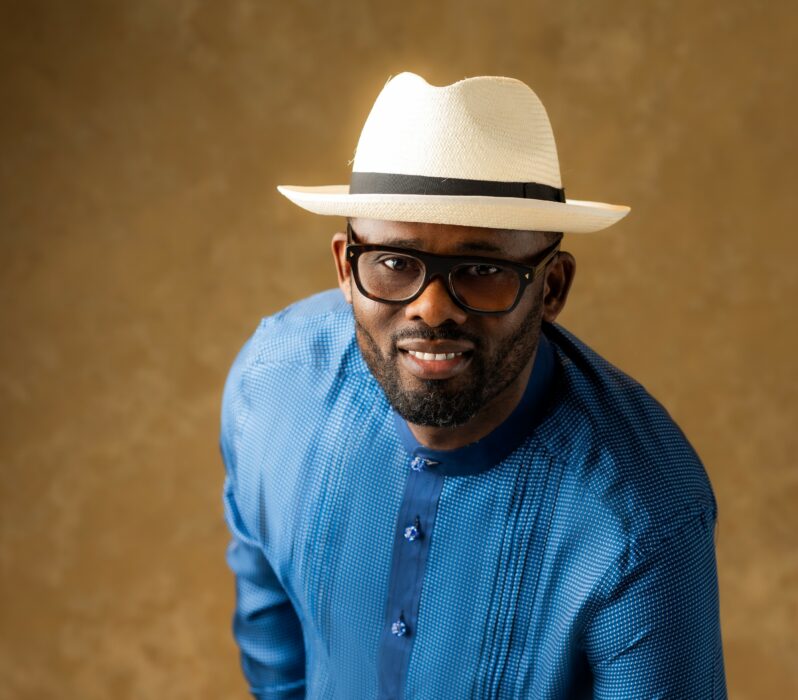
Peoples Democratic Party (PDP) House of Representatives candidate in the 2027 general election, Hon. Mike Olomu, has argued that voters are becoming more interested in what politicians have done than the political machinery behind them.
Olomu, who is contesting the Sagbama/Ekeremor Federal Constituency, said the outcome of the elections would be influenced by credibility, popularity, performance and the ability of candidates to connect directly with the people.
Speaking in an interview, he cited the recent political experience in Osun State as an indication that political structures alone may no longer guarantee electoral victory.
“It is a little more test to everybody that credibility matters, popularity matters, performance matters. It’s not necessarily government,” he said.
Olomu argued that voters in rural communities were becoming more aware of political developments and could distinguish between promises and tangible projects.
According to him, he has carried out projects across the 38 communities in Sagbama and particularly in the 16 communities in the creek, where he said residents had suffered from inadequate infrastructure.
“For me, out of the 38 communities in Sagbama, I have carried out projects in the 38 communities. So, for me, my performance level is 100 per cent,” he said.
He also claimed that he had provided at least one project in each of the 16 creek communities, arguing that such interventions could influence how voters assess candidates.
Olomu said the situation showed why personal grassroots engagement could become more important than political structures ahead of 2027.
He further argued that government officials and political appointees could lose touch with rural voters when they relocate to urban centres.
According to him, many rural residents continue to face poor roads, lack of electricity and other basic infrastructure despite the large number of political appointees from the area.
Olomu also challenged the argument that candidates without government backing cannot win elections, referring to the performance of the Labour Party’s Peter Obi in parts of Bayelsa during the 2023 presidential election.
“They said, ‘Oh, structure. Peter Obi does not have structure in Bayelsa State.’ But the people stood firm. The people voted for him,” he said.
He argued that voters in remote communities could make independent political choices through information obtained from radio and other sources, even when political candidates lacked a strong conventional structure.
“Peter Obi only came to the capital. How did our old women know about him? They listen to radio. They hear that this is the man they thought can change life. And they went, they voted for him,” he said.
Olomu said his own strategy was based on what he described as a record of direct intervention in communities rather than dependence on political appointments or party machinery.
He cited empowerment programmes, medical assistance, support for elderly people and the provision of tricycles, motorcycles and other items as examples of his grassroots activities.
He also promised that, if elected, he would focus on infrastructure in the creek communities, saying that the responsibility of a federal lawmaker should go beyond attending legislative sessions to attracting development projects to constituents.
“If elected, I can bet you that in one year, a minimum of three kilometres will be constructed in the creek. Government alone cannot shoulder the responsibility of the people. That is why you need people from federal to attract projects,” he said.
He further argued that political representation should be measured by the ability to attract projects, create opportunities and improve the living conditions of constituents.
On his preparedness for the National Assembly, Olomu said his previous experience in government, the Niger Delta Development Commission (NDDC), student politics and other public roles had given him contacts across federal institutions.
He said his knowledge of Hausa, Yoruba and Igbo would also help him interact with lawmakers from different parts of the country.
“I have what it takes. I have the connectivity. I have what it takes to relate with people,” he said.
Olomu, however, acknowledged that the election would not be determined by one factor alone, adding that voters would ultimately decide whether political experience, party structure, government influence, personal performance or a combination of these would determine the outcome.
“Our vote must count. And the vote of the people must count,” he said.
We’ve got the edge. Get real-time reports, breaking scoops, and exclusive angles delivered straight to your phone. Don’t settle for stale news. Join THISTIMES on WhatsApp for 24/7 updates →
Join Our WhatsApp Channel